Laura Brand says she will "honour" the rules at HMP Littlehey, per the BBC, after criticism over her reading out a message from her husband, Russell Brand, in which he claims innocence. The comedian is in prison following a conviction for sexual offences.
The BBC describes the wife of the disgraced comedian as saying she will stick to the "parameters". That follows the row over the message, which came from an inmate and was read publicly on his behalf.
This is a sober subject, so the usual wisecracks stay in the drawer. The story involves sexual violence convictions and the distress such coverage can cause victims. What follows is a look at the mechanics: who gets to speak, through whom, and who is supposed to stop it.
What the BBC reports
The facts available are limited, so here they are plainly:
- Laura Brand says she will honour HMP Littlehey's rules after criticism of her reading a prison message from Russell Brand that claims his innocence.
- The coverage also touches on government efforts to have the clip removed.
- Google has refused to remove it, according to the report.
- The episode has renewed debate over victim distress, celebrity power and media safeguarding.
I can't tell you from the available reporting exactly which rule was said to be breached, how the message left the prison, or what Laura Brand has said she will change. Those details aren't in what we have, so I'm not going to guess at them.
The angle: when a family becomes the megaphone
The interesting question isn't what the message said. It's the route it took.
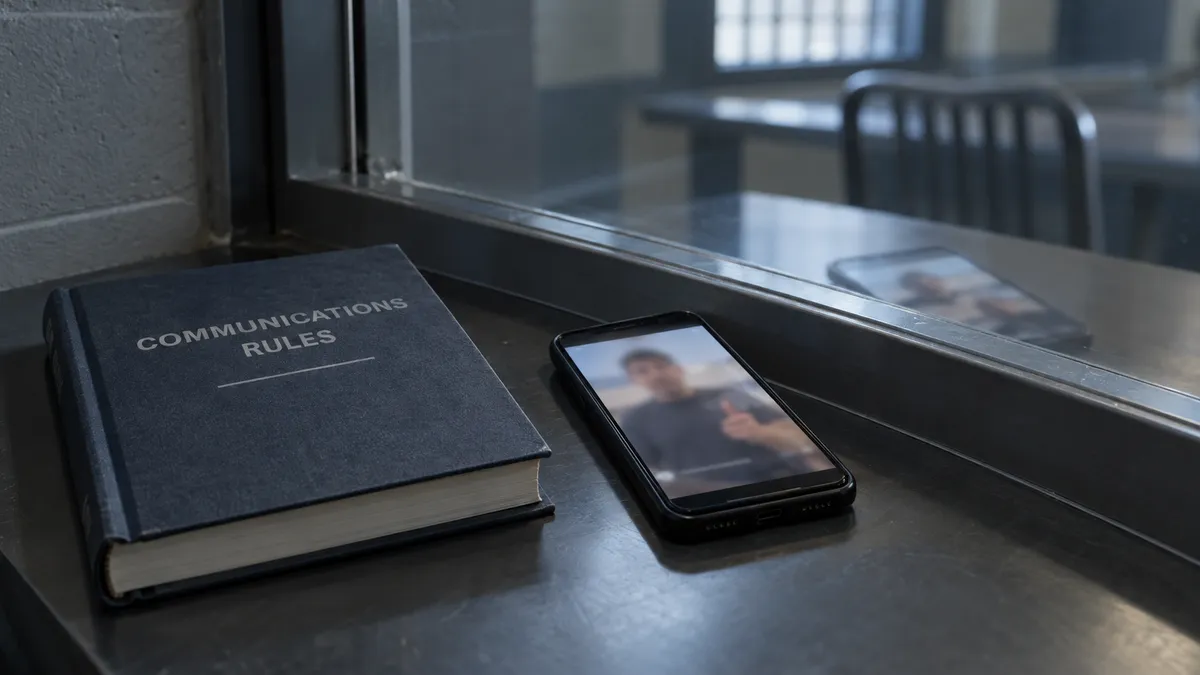
A convicted person in prison has limited ways to reach an audience. A spouse with a platform is one of the few channels that exists. Reading out a message is the obvious workaround: the words come from a cell, the voice belongs to someone on the outside.
Her pledge to stick to the "parameters" is, in that light, a notable choice of word. Parameters implies there is a boundary line, and the public row is about where it sits. It's hard not to wonder whether the real test will be less about this one clip and more about whether such messages continue in any form.
Why the platform fight matters
The other half of the story is the clip itself. Per the BBC, the government has made efforts to get it taken down, and Google has declined.
That sets up a familiar tension. Platforms have to weigh content that critics consider harmful against content that is also plainly newsworthy. A message from a high-profile prisoner, read by his wife and then fiercely debated, is both. Our read: that overlap is exactly why these decisions are so uncomfortable, and why neither side is likely to feel satisfied.
The reporting doesn't explain Google's reasoning, so it would be unfair to characterise it. The refusal itself is the fact.
Victims at the centre of the debate
The row has renewed debate over victim distress, per the BBC's summary of the story. That deserves weight. A public claim of innocence from someone convicted by a court can land hard on people affected by sexual violence, and safeguarding questions follow naturally: should such messages circulate widely, and who decides?
There's a broader pattern, too. Famous men with large followings often keep an audience after a conviction, and supporters can amplify their account. How much loyalty should count for when a court has ruled is a question this story puts back on the table, without answering it.
What to watch
Two threads are worth following over the coming days:
- Prison compliance. Whether Laura Brand's promise to honour the rules changes how, or whether, further messages appear.
- Platform pressure. Whether the government's push to remove the clip goes any further after Google's refusal.
Neither outcome is confirmed, and we'll only know as more reporting emerges.
The sharpest takeaway is a dull one: in the age of social media, a prison wall doesn't stop a message, it just changes who has to carry it. Whether the rules, the platforms or the families set the limits is the real story here, and it's still unresolved.