In an era where our Netflix queues are ever-expanding yet our favorite shows seem to vanish after a single season, streaming has irrevocably altered the landscape of television. The faithful 22-episode season, once a staple that allowed for character growth and spectacular arcs, has mysteriously dwindled. This isn’t just a casualty of changing times—it's a deliberate shift dictated by profit margins and content consumption.
The Rise of Shorter Seasons
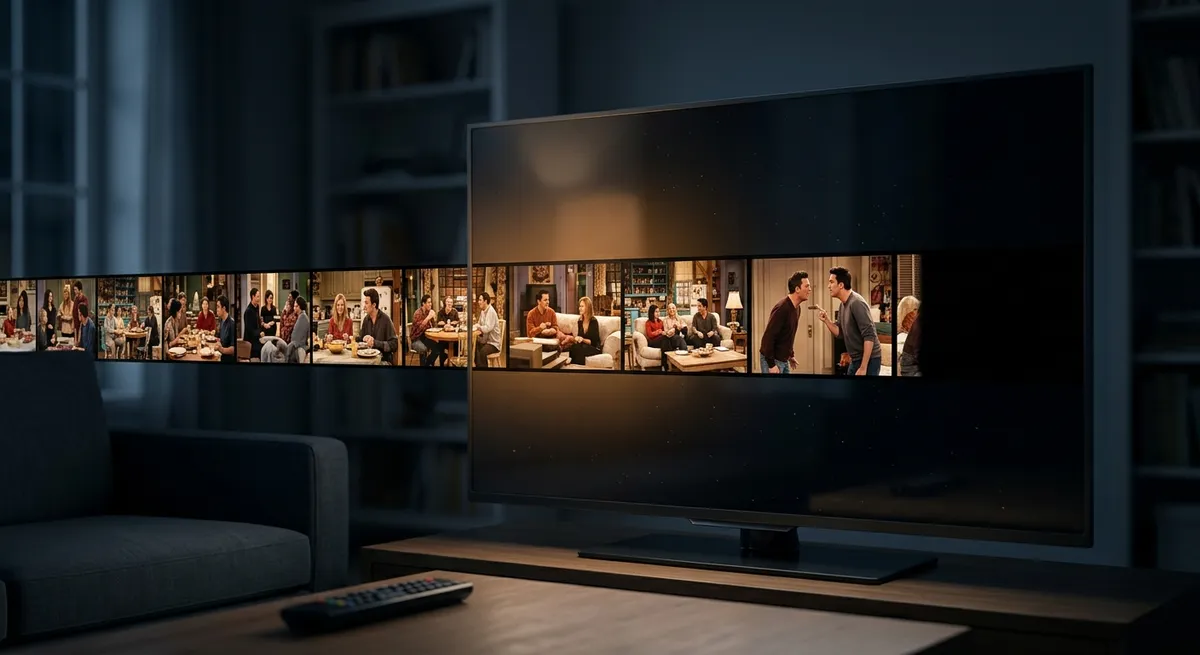
As reported, by 2026, the average TV season has shrunk to a mere 7 to 10 episodes. It’s a drastic move from the classic sitcom structure that thrived on the 22-episode season, granting creators the space to explore character developments, evolve storylines, and yes, even indulge in the occasional “filler episode.” Shows like Friends, The Office, and Parks and Recreation utilized these ample episodes to refine their characters through viewer feedback, turning initial concepts into beloved story arcs that resonated with audiences. Remember Monica and Chandler's unexpected romance? Without that time, who knows how many storylines would have flamed out without a chance to grow?
The Cost of Profit
The changing model in television directly correlates with the financial motivations of streaming platforms, which now leverage subscriber numbers over artistic ambition. Gone are the days when originality reigns supreme. Instead, streamers like Netflix, HBO Max, and Hulu have redirected their focus towards safe bets—reboots, franchise expansions, and popular IP acquisitions. The article notes that streamers now prioritize profitability, leaving few chances for innovative projects to see the light of day. In fact, 74% of Millennials and Gen Z crave fresh content, yet the industry responds with endless sequels and adaptations instead of investing in original material.
The Implication of Fewer Episodes
The implications of shorter seasons cannot be understated. With fewer episodes to build their narrative, creators face a daunting task of making an immediate impact; their shows must hook viewers right from the first episode—a tall order for any series. A quick dip into history reveals that some of our most beloved shows initially struggled. The Office, which was nearly axed after its first season due to low ratings, only became the cultural phenomenon we know today thanks to that second chance granted by NBC. In today’s world, that very opportunity is rapidly disappearing as studio executives cry foul over the risks associated with new programs.
A Frustrated Audience
Frustration runs rampant among viewers who feel the sting of cancellations. A YouGov survey illustrates that a quarter of UK adults now wait for the finale of streaming originals to air before diving in, wary of investing in shows that might never offer resolution. Hence, not only do we lose the familiarity of seasons that could redeem bad starts or expand upon character arcs, but we're left with unresolved plotlines dangling like loose ends.
The Future of TV
As we stand on the precipice of a streaming-dominated future, the question looms: is the trade-off worth it? We may gain flashy reboots of shows like Malcolm in the Middle and That ’90s Show, but at what cost? The decline of original forms inevitably leads to fewer opportunities for talented newcomers, leaving a significant hole in the industry's advancement. The loss of traditional, longer formats also results in a more homogenized viewing experience—far from the diverse storytelling that shaped earlier decades.
In conclusion, although there’s something about leisurely bingeing an entire season of television—a luxury we once cherished—streaming services have steered us toward a quick-cash, content-mill mentality. With short seasons leading the charge, we risk losing the very essence of what has made television beloved, not just as a medium, but as an experience. As we continue to scroll through channels filled with familiar titles at a premium price, one can’t help but wonder if the trade-off for high production values and slick reboots is a creative void that we will come to regret. The death of the filler episode has also rippled into a larger destruction of narrative diversity, and it's a change that warrants not just our attention, but our resistance.