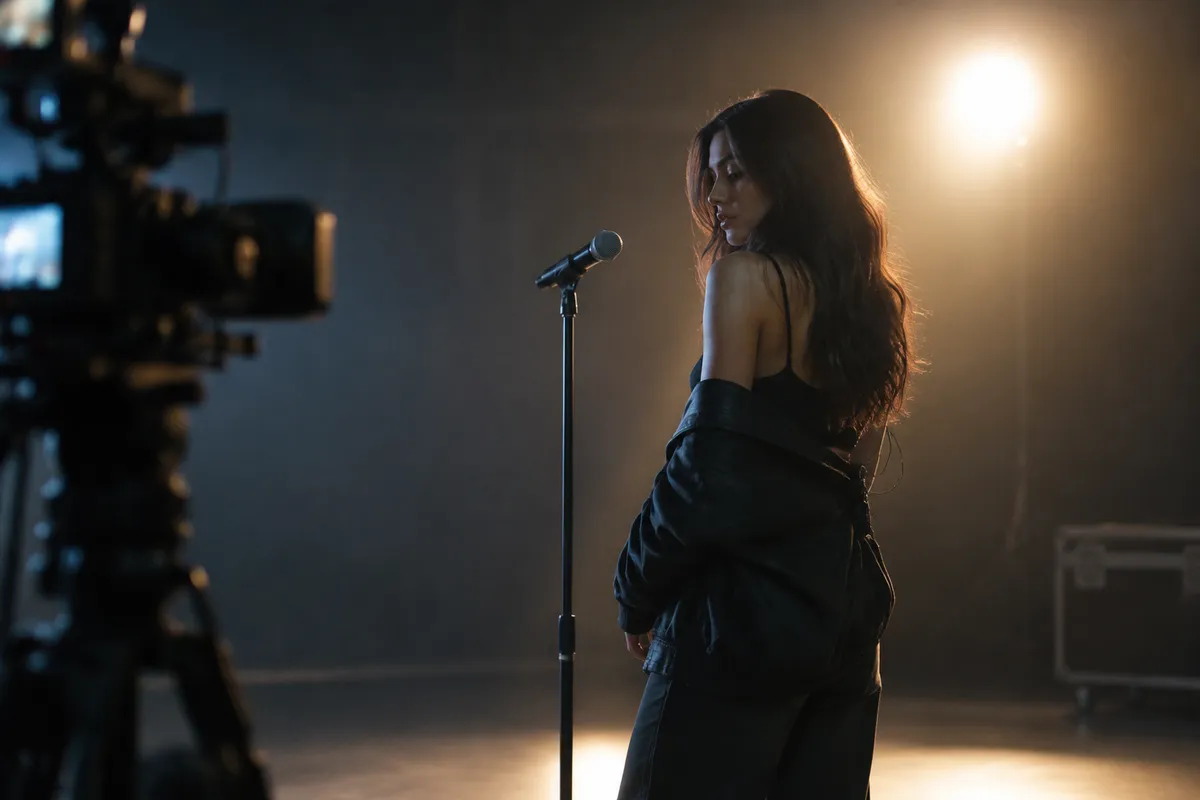
A new documentary is giving fans a look at Blackpink's Lisa that the polished pop machine rarely allows. Per the BBC, Always Lalisa follows the K-pop star through a race scandal, the launch of her solo career, the pressure of Coachella, and her push to break free from K-pop's restrictions. Film-maker Sue Kim told the BBC about having unprecedented access to Lisa at her most candid.
That last phrase is the hook, and also the question. In an industry built on choreographed perfection, what does "candid" actually look like, and who gets to decide?
What the film covers
According to the BBC's profile, the documentary tracks several high-stakes chapters in one stretch of Lisa's career:
- A race scandal, and how she responded to it
- The launch of her solo career
- Coachella pressure
- Her effort to push past the limits of the K-pop system
The BBC's framing is that the film shows a rare, vulnerable side of a global idol navigating accountability, fame and personal agency. That's a lot of ground for one documentary, but those threads are really one story: a performer trying to work out where the brand ends and the person begins.
The real tension: image control vs. actual growth
Here's my take, and it's visibly mine: the most interesting thing about Always Lalisa isn't any single moment, it's the genre it belongs to.
Celebrity documentaries sit in an awkward spot. They promise unfiltered access, yet they're typically made with the cooperation of the subject, and often arrive just as that subject enters a new career phase. Lisa is stepping into life as a solo artist and crossover star, per the BBC, so the timing is hard to ignore. It's fair to wonder whether a film like this is a window or a very well-lit mirror.
That's not a knock on the film, which I haven't seen beyond the BBC's description. It's a question worth carrying into the viewing. Honesty and marketing aren't mutually exclusive, and the best celebrity docs are usually both. The test is whether the uncomfortable parts stay in.
Why the scandal chapter matters most
The race scandal is the part of the film that will get the most attention, and rightly so. Accountability is the thing audiences increasingly demand from polished pop industries and the stars inside them, as the BBC notes in its framing of the moment. A glossy apology is one thing. Watching someone sit with the consequences is another.
The BBC's description doesn't spell out the specifics of what happened or exactly how Lisa responded on camera, so I won't guess at them here. What the film seems to offer is process rather than press release: the messy middle between the mistake and the statement. If that's what Kim captured, it's the kind of footage that tends to change how fans see an artist, for better or worse.
Going solo is its own high-wire act
The documentary also catches Lisa at a career pivot. Stepping out from a globally famous group is a risk for any member: the built-in spotlight narrows to one person, and every choice becomes yours to own. Add Coachella pressure to the mix, and you have a case study in what it costs to step outside a system that, per the BBC, restricts its idols.
That push for agency is the film's emotional spine. K-pop's trainee-to-idol pipeline is known for shaping image tightly, and a documentary about an idol pushing against those limits is, by design, a story about control: who has it, who wants it, and who's willing to risk something to take it.
Should you watch?
If you follow Blackpink, K-pop or the wider business of pop stardom, this looks like a must-add to the list. Go in with two questions:
- Does the film let Lisa be uncomfortable, or only admirable?
- Does her version of growth feel earned on screen, or just announced?
If the answer to both is yes, Always Lalisa will have done something rare for a celebrity documentary: made the polish part of the story instead of the point. If not, at least it'll make for a very good debate in the group chat.
Either way, it's a reminder that in 2026, the most compelling thing a pop star can offer isn't flawlessness. It's the receipts, shown on her own terms.