
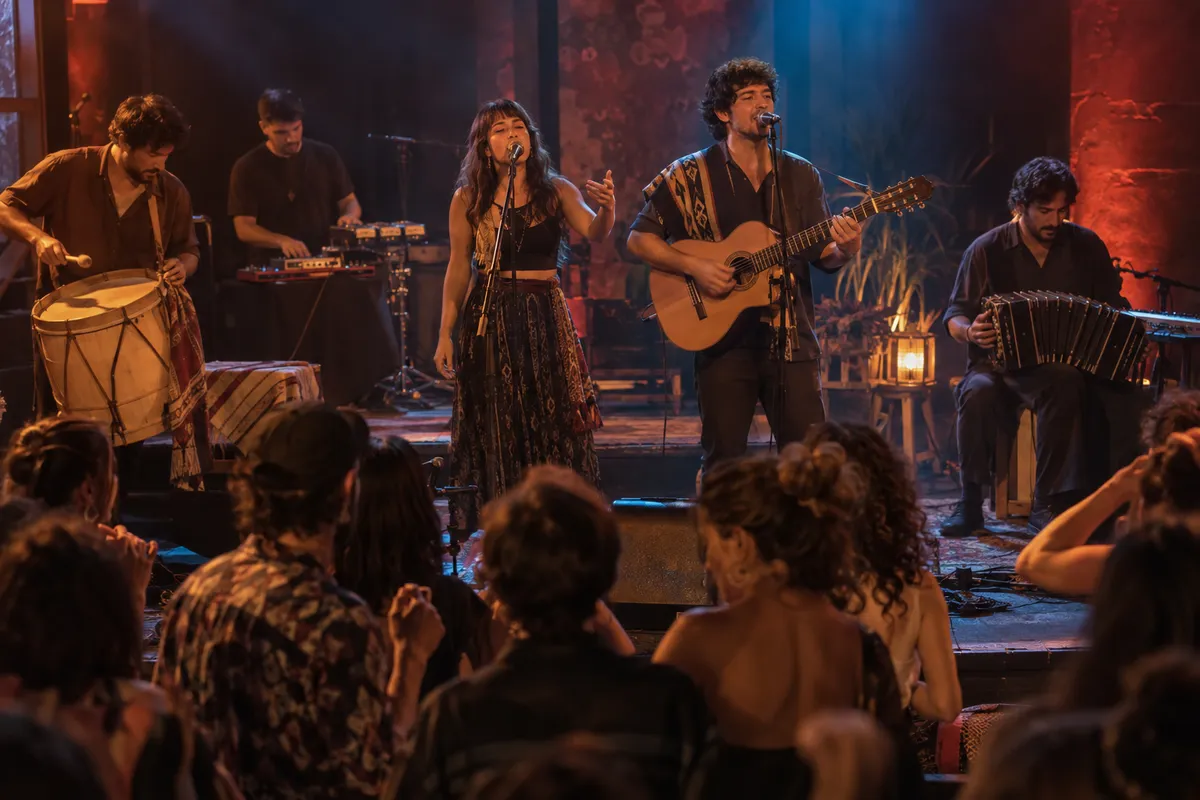
Argentina's countryside is having a pop moment. According to a report from Yahoo, a younger generation of artists is reviving the country's folklore traditions, and they're doing it by mixing chacarera, zamba, chamamé and cumbia with trap, reggaeton and electronic music. Milo J, Cazzu, Broke Carrey and Feli Colina are among the names cited as bringing once-niche sounds to youth audiences and global platforms.
The outlet's framing goes further than a trend piece. It argues this roots movement is feeding national pride, regional visibility and political expression at a time of economic and social uncertainty. That's the thread worth pulling here: folk music isn't just sneaking onto your playlists, it's being used as a language for belonging.
A Sound Built From the Provinces
The reporting describes the artists as embracing music and traditions of the Argentine countryside. The description line puts it neatly: the movement is staving off pop homogenization and sharing Argentina's history with the world.
Anyone who has watched a streaming algorithm flatten a dozen genres into one vaguely moody beat will recognize the problem. Per Yahoo, the answer from these artists is to lean harder into the specific: named rhythms, named regions, named traditions. Chacarera, zamba and chamamé aren't interchangeable flavors. They're particular sounds attached to particular places, and that specificity is the point.
Why Trap and Folklore Make Sense Together
The pairing sounds odd on paper, and the report says it's happening anyway. Artists are blending traditional forms with trap, reggaeton and electronic production. My read: it works because both sides of the equation are about identity. Trap and reggaeton have long been the soundtrack of young listeners; folklore carries the weight of place and history. Put them in one song and the old material stops feeling like a museum piece.
That's the take of this writer, not a claim from the report, but the logic is hard to miss. Young audiences don't need to be told a tradition is important if it arrives in a format they already live in.
The Names to Know
The report mention of Milo J and Cazzu as headliners of this wave comes with Broke Carrey and Feli Colina in the same breath. Yahoo's piece doesn't, in the material available here, detail each artist's catalog, so consider this a starting list rather than a discography. If you're sampling, start with the two biggest names and let the streaming recommendations do the rest.
Place, Pride and Pushback
One of the more interesting angles in the coverage is regional. The movement is described as fueling regional visibility, which raises a question the piece frames in terms of belonging: whose Argentina gets heard? It's hard not to wonder whether the pushback against capital-centered pop dominance is part of the appeal. Folklore, by definition, comes from somewhere, and that somewhere is often outside the biggest city.
That is interpretation, and the report's own emphasis is on visibility and pride rather than rivalry. But a music scene that puts the provinces on the global map is making a statement whether or not anyone writes it into the lyrics.
The Political Undertone
Per Yahoo, Argentina is navigating instability, polarized politics and renewed debates over national identity. In that climate, the outlet says, folklore becomes a powerful language for belonging and dissent. Notably, the framing is about expression rather than any single party or slogan. Folk music has a long history as a vehicle for communal feeling, and this generation is picking that tool back up.
The lesson for pop watchers is a familiar one with a fresh accent. Whenever the mainstream starts sounding the same, someone goes looking for the local, the odd and the inherited, and the audience follows. Latin pop has seen local sounds rise globally before, and Argentina's version arrives with accordion-adjacent heritage, trap hi-hats and a generation that seems unembarrassed to be proud of both.
How to Listen
If you want to test the thesis yourself, try this:
- Start with Milo J and Cazzu, the two most prominent names in the coverage.
- Add Broke Carrey and Feli Colina for the wider picture of the scene.
- Listen for the rhythms: chacarera, zamba, chamamé and cumbia each pull in a different direction.
- Notice what the production does with them, whether that's trap drums, reggaeton sway or electronic textures.
The real hook of this story is simple. A genre that might have stayed regional is being handed to a generation that grew up on global pop, and it isn't being sanded down on the way. It's being turned up.