A Prophetic Vision of Government Secrecy
Nearly five decades after its release, Steven Spielberg's Close Encounters of the Third Kind feels remarkably prescient in 2026's cultural landscape. According to reports, the 1977 science fiction classic explored themes of government secrecy, UFO sightings, and conspiracy theories that have become strikingly relevant to contemporary discussions about extraterrestrial contact and institutional transparency.
The film's enduring relevance stems from its exploration of narratives that continue to captivate public attention today. Recent years have seen renewed interest in UFO phenomena, government disclosure debates, and conspiracy theories about hidden alien contact, making Spielberg's decades-old examination of these themes feel both prescient and culturally urgent.
From Fiction to Congressional Hearings
What makes Close Encounters particularly fascinating in 2026 is how it anticipated modern UFO disclosure culture and government transparency debates. The film's portrayal of ordinary people discovering truth while facing institutional denial has become a template still used in conspiracy narratives today.
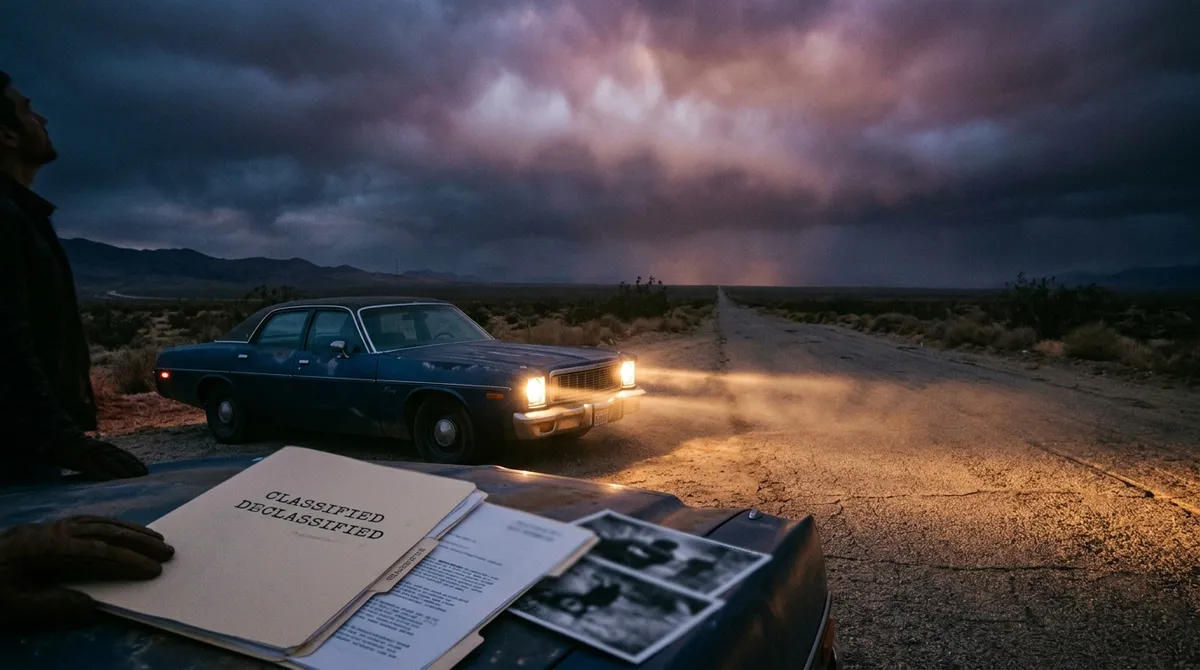
According to reports, the movie's 1977 anxieties about government secrecy can now be compared to 2026's actual declassified UFO reports and congressional hearings. This shift from fiction to reality has given Spielberg's work an almost documentary-like quality when viewed through today's lens.
The Psychology of Belief
The film's exploration of why audiences are drawn to stories of hidden alien truth remains as compelling now as it was decades ago. Close Encounters tapped into fundamental questions about what governments might be hiding from their citizens and how ordinary people might react to extraordinary revelations.
Spielberg's influence extends beyond entertainment into how we visualize and mythologize first contact with extraterrestrial life. The film's iconic imagery and narrative structure have shaped public imagination about UFO encounters and government cover-ups for generations.
Cultural Impact and Modern Parallels
The movie's depiction of government secrecy versus public curiosity has proven remarkably durable. According to reports, creators today can draw parallels between the film's portrayal of government cover-ups and modern UFO disclosure movements, examining how science fiction predicted real-world conversations about transparency and the unknown.
This cultural staying power reflects deeper anxieties about institutional trust and the public's right to know about potential extraterrestrial contact. The film's themes resonate particularly strongly in an era where government agencies have begun officially acknowledging and investigating unidentified aerial phenomena.
A Template for Truth-Seeking
What distinguishes Close Encounters from other science fiction films is its focus on ordinary people becoming truth-seekers. The movie established a narrative framework that continues to influence how conspiracy theories and disclosure movements present themselves to the public.
The film's portrayal of individuals compelled to seek answers despite official denials has become a cultural touchstone for those questioning official narratives about UFO sightings and government knowledge of extraterrestrial life.
Lasting Legacy in 2026
As discussions about UFO disclosure and government transparency continue to evolve, Spielberg's 1977 masterpiece serves as both entertainment and cultural artifact. The film's exploration of these themes feels remarkably current, suggesting that the questions it raised about truth, secrecy, and our place in the universe remain as compelling today as they were nearly fifty years ago.
The enduring relevance of Close Encounters of the Third Kind demonstrates how effective science fiction can anticipate and illuminate real-world concerns, making it essential viewing for anyone interested in understanding how we've arrived at our current moment of UFO disclosure and conspiracy culture.