
Veteran Journalist Launches Public Attack on CBS Leadership
Scott Pelley, a veteran correspondent for CBS's flagship news program 60 Minutes, has launched a scathing public attack against the network's editor-in-chief Bari Weiss, accusing her of "murdering" the iconic show. According to reports, Pelley claimed Weiss was deliberately brought in to dismantle the program and lacks the necessary qualifications for her leadership role.
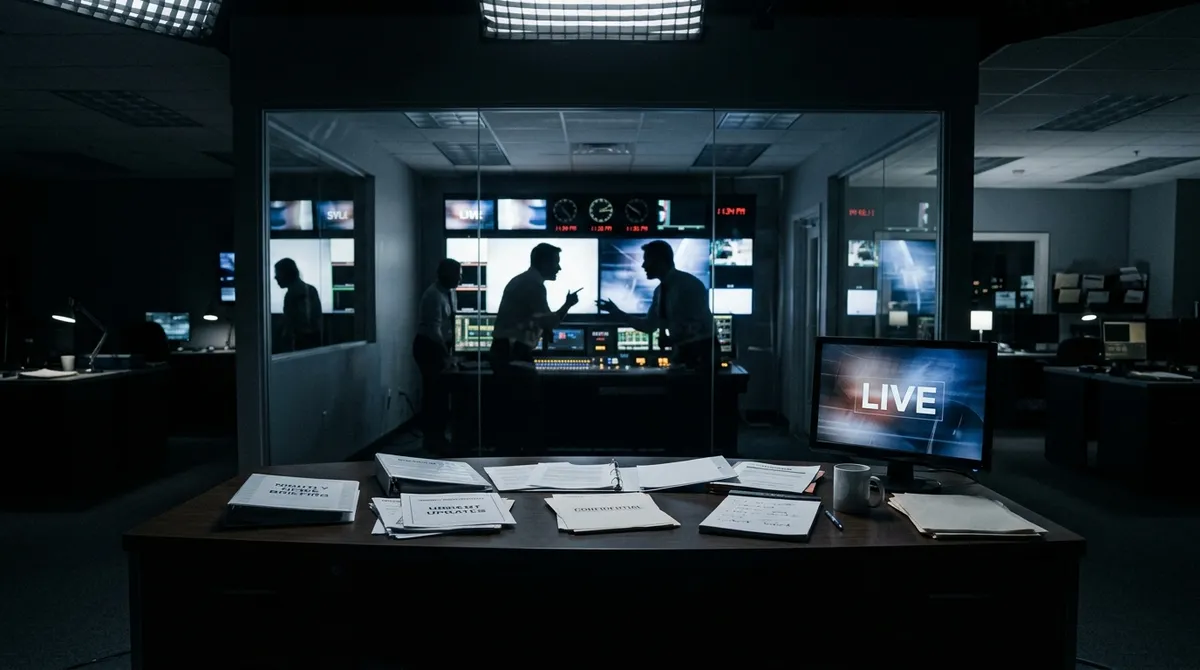
The explosive comments highlight escalating internal tensions at CBS News as the network grapples with editorial direction changes and recent staff layoffs that have sent shockwaves through the newsroom.
Legacy Media Under Pressure
The controversy comes at a time when legacy media institutions face intense pressure to modernize operations and reduce costs. Leadership changes at flagship programs like 60 Minutes have become flashpoints for broader debates about maintaining journalistic integrity while meeting business demands.
According to reports, Weiss's appointment and subsequent decisions have sparked visible staff rebellion, revealing deeper fractures within the organization about how traditional news outlets should evolve in the digital age.
Generational Divide in the Newsroom
The clash between Pelley and Weiss represents a wider generational divide playing out across legacy media organizations. Veteran journalists, who built their careers in traditional broadcast journalism, are increasingly finding themselves at odds with digital-native leadership brought in to transform these institutions.
The situation at 60 Minutes reflects broader questions about whether institutional change necessarily requires sacrificing editorial standards, or whether resistance to modernization efforts is itself part of the problem facing traditional news organizations.
'Black Thursday' and Newsroom Restructuring
Reports indicate that recent staff cuts, apparently referred to internally as "Black Thursday," have intensified tensions within the CBS News organization. The layoffs have raised questions about how newsrooms handle restructuring efforts and the impact such changes have on staff morale and editorial output.
The internal dissent at CBS News signals what some observers view as an institutional crisis, with staff revolts becoming increasingly visible indicators of deeper organizational challenges.
Questions About Leadership and Vision
Bari Weiss's track record and approach to leading CBS News have become central points of contention. Reports suggest ongoing debates about whether she represents visionary leadership capable of guiding the network through necessary transformations, or whether her methods are too disruptive for a venerable institution like 60 Minutes.
The controversy raises broader questions about the "TikTok-fication" of news and whether programs like 60 Minutes can survive modernization efforts without losing their core identity and journalistic mission.
Impact on Broadcast Journalism's Future
The public nature of Pelley's criticism represents an unusual breach of typical newsroom protocol, where internal disagreements are usually handled behind closed doors. The visibility of this conflict suggests the stakes involved in determining the future direction of one of television's most respected news programs.
As legacy media continues to navigate digital transformation pressures, the situation at 60 Minutes serves as a case study in the tensions between preserving journalistic traditions and adapting to changing media consumption patterns.
The outcome of this internal battle may signal broader trends about how established news organizations balance institutional heritage with the demands of modern media landscape evolution.