
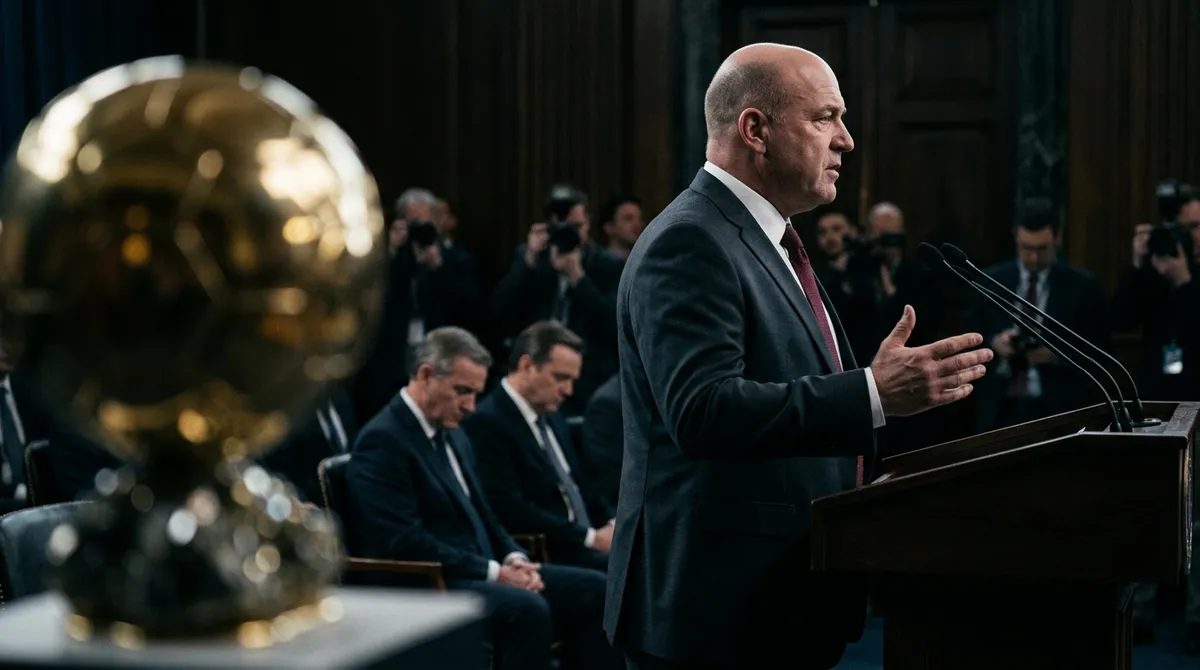
FIFA president Gianni Infantino has found himself in deep water as his ambitious plan to sell a stake in FIFA competitions to private investors—including Joshua Kushner—abruptly collapsed this past week. The fallout from the proposed deal has sent shockwaves through the football world, revealing significant cracks in FIFA’s governance and sparking an intense internal rebellion at a critical moment so close to the World Cup final.
The Week That Changed Everything
It was just a week ago that Infantino seemed politically untouchable, strutting with the swagger of a ruler in a gilded palace. But in true dramatic fashion, his plans unraveled in record time, igniting fierce backlash from key players in the field like UEFA and Concacaf as well as internal staff within FIFA. This backlash has not only threatened Infantino's grasp on power but also raised serious questions about his credibility leading up to his re-election bid in 2027.
In his quest to partner with private investors and pull in a financial windfall, Infantino overlooked the far-reaching implications of his actions. The proposal, which aimed to bring billions into FIFA's coffers, failed to account for the strong resistance from notable confederations who balked at the idea of football being handed over to billionaires.
Bowing to the Backlash
The extremely quick turnaround of opinions about Infantino's venture highlights a stark reality in sports governance. Less than a week after publicly announcing the plan, all hell broke loose as major confederations banded together in disapproval. UEFA, Concacaf, and internal FIFA voices aligned in open rebellion against their once-beloved leader, exposing the fragility of Infantino’s political capital.
And the consequences were immediate; the departures of Kevin Lamour and Carlos Cordeiro from key positions underscored Infantino's isolation within FIFA. Each resignation punctuates a growing discontent and unrest that indicates the president's control is waning.
A Leadership Vacuum
The chaos isn't just limited to Infantino alone; it reveals a broader dysfunction in FIFA's leadership framework, now characterized by factional squabbling. UEFA's clear stance against Infantino has left a gaping hole for a new leadership figure to emerge—a unity candidate that could possibly rally the beleaguered factions within global football. Rival factions now eye this vacuum with unbridled ambition, positioning themselves to capitalize on Infantino’s downfall.
What's Next for FIFA?
As the dust settles on this political melee, it's hard not to wonder what this failed privatization plot means for smaller nations and football fans alike. Infantino’s gaffe serves as a stark reminder that decisions made in the boardroom have real-world consequences that can reverberate through the sport's grassroots. With external challengers like Concacaf's Victor Montagliani paving a path toward unity in opposition to Infantino, the landscape of global football governance could very well shift dramatically.
In the end, this week has crystallized the unsustainable nature of Infantino's presidency in FIFA. The fallout from the failed stake sale has thrown open questions about the future direction of FIFA and the potential for new leadership to emerge amidst the debris. What was once a fortress of influence looks more like a castle made of cards, ready to tumble at any moment. As fans, we're left to navigate the chaotic waters of international football, hoping that amidst the chaos, the beautiful game remains how we love it—open, fair, and without the chains of billionaires pulling at its threads.