The Fast-Paced World of Procedural Casting
While the television landscape continues to evolve with prestige series offering shorter seasons and limited runs, procedural dramas remain one of the last bastions of high-volume television production. According to reports from a recent ATX TV Fest panel, casting directors behind hit shows like 9-1-1, Tracker, Fire Country, Chicago Med, and S.W.A.T. shed light on how these series have become unexpected talent pipelines for emerging actors.
CSA members Eric Souliere, Veronica Collins Rooney, and Rebecca Mangieri participated in the panel discussion, explaining the demanding but opportunity-rich world of procedural television casting. Their insights reveal a side of Hollywood that operates at breakneck speed while consistently creating openings for new talent.
Why Procedurals Matter More Than Ever
As prestige television seasons continue to shrink, procedural shows stand out for their commitment to producing 18-to-22-episode runs filled with guest roles. According to reports, this format creates a constant need for fresh faces, making procedurals increasingly important as career pipelines for actors, casting teams, and creators seeking to understand how TV talent is discovered in today's industry.
The panel highlighted how these shows function as "Hollywood's hidden talent engine," with case-of-the-week storytelling requiring casting directors to continuously search for new performers. This creates a unique ecosystem where emerging actors can find meaningful opportunities that might be scarce elsewhere in the current television landscape.
The Lightning-Fast Casting Process
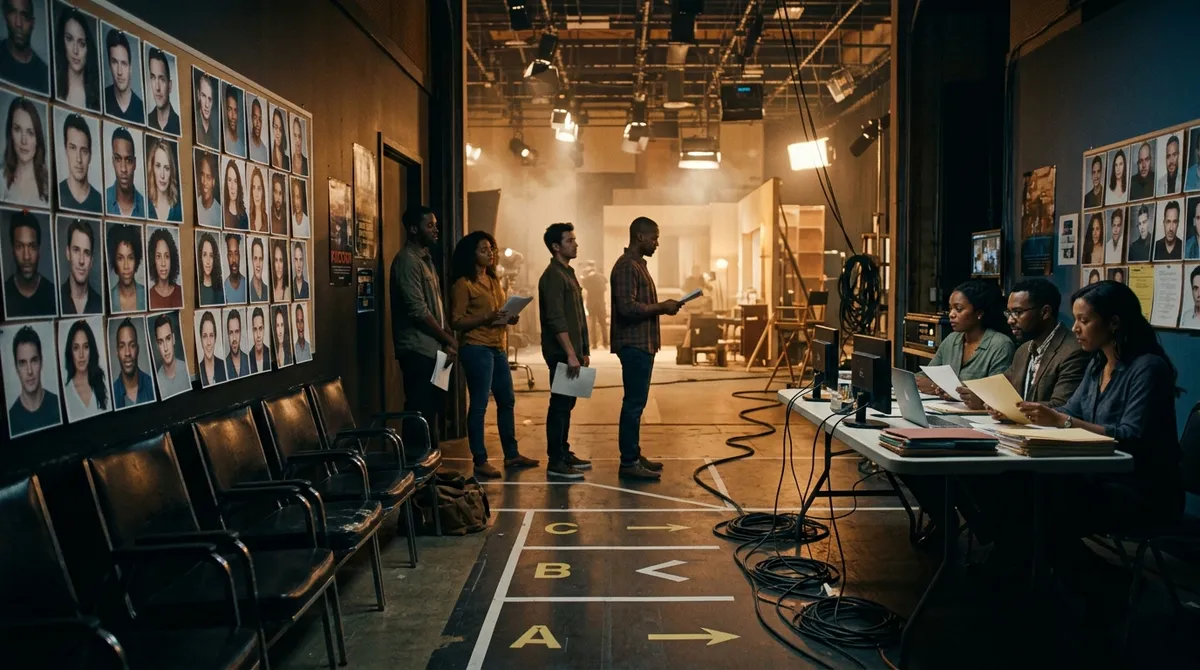
According to the casting directors, the procedural format demands an incredibly compressed timeline. Reports indicate that casting teams work to fill a full episode's worth of guest roles in just four days – a pace that would be impossible in other television formats. This rapid-fire approach creates both challenges and opportunities for the industry.
The relentless pace means casting directors must be exceptionally efficient in their talent search, but it also means more roles become available more frequently. For actors looking to break into television, this represents one of the few remaining formats where consistent opportunities exist.
Regional Authenticity and Practical Challenges
The panel also addressed how casting directors work to make regional authenticity feel real within their shows. According to reports, this involves careful consideration of accents, mannerisms, and cultural details that help ground procedural stories in believable settings.
Another fascinating aspect discussed was the hidden logistics of avoiding repeat actors across different television universes. With so many procedural shows in production simultaneously, casting directors must navigate complex scheduling and continuity challenges to maintain the illusion that each show exists in its own world.
Career Launch Pad for Future Stars
The discussion touched on how famous stars have gotten early breaks through procedural-style television. According to the panel, these shows continue to serve as proving grounds where actors can demonstrate their range and professionalism before moving on to larger roles.
This pattern reflects a broader truth about the entertainment industry: while streaming platforms and limited series often capture critical attention, procedural television quietly provides the volume and consistency that allows new talent to develop and be discovered.
The Future of Procedural Casting
As the television industry continues to fragment across multiple platforms and formats, procedural shows represent a form of stability for working actors and casting professionals. According to reports from the ATX TV Fest panel, these shows will likely become even more valuable as entry points for emerging talent.
The insights shared by the casting directors reveal that while the pace is demanding, the procedural format creates rare opportunities in an industry where such openings are becoming increasingly scarce. For actors, casting directors, and industry observers, understanding this dynamic provides crucial insight into where television careers can still be built from the ground up.
The panel's revelations offer a behind-the-scenes look at one of television's most consistent but underappreciated talent development systems.