Netflix’s Man on Fire arrives with familiar ingredients: a damaged protector, a dangerous mission, and a story built around guilt, violence, and redemption. The new series revisits John Creasy, the bruised antihero from A.J. Quinnell’s novels, while stepping out from the long shadow of the 2004 film starring Denzel Washington. Instead of retelling that movie beat for beat, the show expands the character’s world across a broader international thriller.
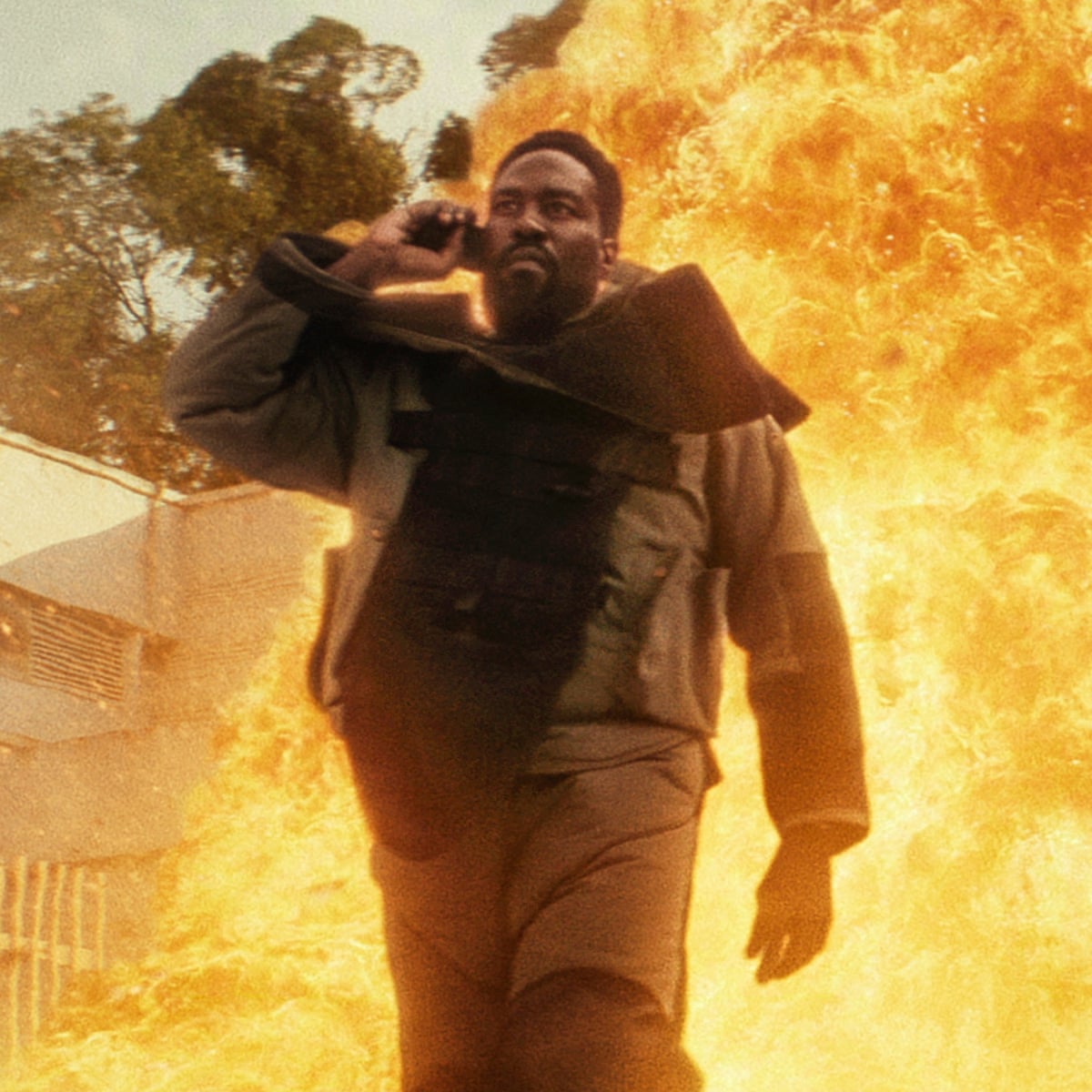
Netflix expands a cult action story into a streaming thriller
Man on Fire has always carried a simple dramatic hook. A former operative becomes emotionally attached to someone vulnerable, then unleashes his skills when danger strikes. That premise powered the best-known screen version, directed by Tony Scott, and helped turn Creasy into a memorable figure in revenge cinema.
The Netflix adaptation takes a different route. A series format gives the story more space to examine Creasy’s past, his damaged relationships, and the criminal networks surrounding him. It also allows the show to explore the cost of violence beyond one rescue mission. That extra room can be a strength, especially for viewers who enjoy slow-burn suspense.
Yahya Abdul-Mateen II leads the cast as John Creasy. His presence gives the series a controlled intensity. He plays Creasy as a man who has survived too much and trusts almost nothing. The performance leans less on explosive rage and more on restraint. That choice helps the character feel worn down rather than simply dangerous.
Yahya Abdul-Mateen II gives John Creasy a new shape
Taking on Creasy is no easy assignment. Many viewers still associate the role with Denzel Washington’s performance in the 2004 movie. Abdul-Mateen wisely avoids imitation. His version of Creasy feels younger, more physically agile, and more visibly caught between self-punishment and survival.
The show uses his silence as much as his action scenes. Creasy often studies a room before speaking. He measures threats quickly. He also carries emotional distance like armor. This approach suits a prestige-style Netflix thriller, where character psychology matters as much as gunfire and pursuit sequences.
At its best, the series understands that Creasy is interesting because he is conflicted. He is not a clean hero. He has skills shaped by war, covert work, and moral compromise. The drama works when it asks whether protection can become another form of obsession. It becomes less compelling when it falls back on routine action rhythms.
A darker, wider story than the famous film
The Netflix Man on Fire series draws from Quinnell’s literary universe rather than only the earlier movie adaptation. That matters. The novels offer a larger canvas for Creasy, including international crime, personal loss, and complicated justice. The show appears interested in building a long-form mythology around those elements.
This broader scope gives the series room to move beyond one city or one kidnapping plot. It can connect private trauma to organized violence. It can show how wealthy criminals, corrupt officials, and hired killers depend on silence. Those themes fit naturally into modern streaming drama.
However, expansion brings risk. A lean revenge story can lose force when stretched across multiple episodes. Some scenes deepen the world. Others slow the momentum. The strongest chapters balance investigation, danger, and character development. The weaker moments feel as if they are delaying the inevitable confrontation.
Action, atmosphere, and the challenge of pacing
Man on Fire performs best when it trusts atmosphere. The series favors shadows, tense conversations, and sudden bursts of violence. It rarely treats action as playful. Fights feel punishing. Shootouts arrive with consequences. That serious tone helps separate the show from lighter action franchises.
The pacing is more uneven. Viewers expecting constant spectacle may find the early episodes measured. The series spends time establishing Creasy’s emotional state and the threats surrounding him. This makes sense for a character-driven thriller, but it also creates stretches where the plot feels heavy.
Still, the slower pace has advantages. It lets tension build. It gives supporting characters time to matter. It also prevents Creasy from becoming an unstoppable action machine. When violence finally erupts, the show wants it to feel like a choice with weight, not just a genre requirement.
How the series compares with the 2004 Man on Fire movie
Comparisons with Tony Scott’s film are unavoidable. The 2004 version became famous for its feverish visual style, emotional intensity, and the bond between Creasy and the child he protects. It was loud, stylish, and deeply melodramatic in a way that defined early-2000s action cinema.
The Netflix version uses a different vocabulary. It is less frantic and more serialized. It relies on mood, backstory, and extended suspense. That change will please some viewers and frustrate others. Fans of the film’s explosive energy may miss its immediacy. Viewers who prefer a layered crime thriller may appreciate the extra detail.
The key difference is emotional texture. The film built its power around a central relationship. The series seems more interested in Creasy as a haunted professional navigating a violent world. That shift makes the story feel broader, though sometimes less intimate.
Supporting characters help define the stakes
A revenge thriller depends on more than its lead. The people around Creasy must create pressure, risk, and emotional conflict. The Netflix series understands this, giving its supporting cast meaningful roles in the story’s moral landscape.
Allies do not always feel safe. Enemies are not always presented as simple targets. The show tries to make danger systemic rather than personal alone. That approach strengthens the thriller elements. It suggests Creasy is fighting not just individuals, but networks built to protect themselves.
Even so, some characters receive sharper writing than others. The best supporting figures challenge Creasy’s assumptions or expose his weaknesses. Less successful characters function mainly as plot devices. In a series this serious, thin characterization stands out quickly.
Themes of guilt, protection, and revenge
Man on Fire remains powerful because its central questions are easy to understand. Can a person shaped by violence become a protector? Does revenge heal anything? What happens when justice becomes personal?
The Netflix series returns to those questions often. Creasy’s mission is never only physical. It is also spiritual, emotional, and moral. He wants to save others, but he may also be trying to punish himself. This tension gives the show its strongest dramatic foundation.
The series is most convincing when it refuses easy answers. Creasy’s methods may produce results, but they leave damage behind. The show does not always escape genre fantasy, yet it repeatedly gestures toward a darker truth. Violence may end a threat, but it rarely restores what was lost.
Is Netflix’s Man on Fire worth watching?
Man on Fire is likely to appeal to fans of serious action dramas, international crime stories, and character-led revenge thrillers. It offers a committed lead performance, a grim visual style, and a larger canvas than earlier adaptations. It also gives Netflix another recognizable franchise with room for future seasons.
It is not a perfect reinvention. The pacing can feel stretched, and the storytelling sometimes leans on familiar thriller machinery. Yet the series has enough craft and intensity to hold attention. Abdul-Mateen’s performance gives Creasy a distinct identity, which is essential for a role with such strong cinematic history.
For viewers seeking a fast, simple action ride, the show may feel too brooding. For those who want a revenge story with psychological weight, it offers more to consider. The best moments suggest a series interested in consequence, not just catharsis.
Conclusion
Netflix’s Man on Fire reimagines John Creasy for the streaming era with a darker, more expansive approach. It honors the core appeal of the character while moving away from a direct remake. The result is a tense, sometimes uneven, but often compelling thriller anchored by Yahya Abdul-Mateen II. It may not replace the film in popular memory, but it gives the story a fresh reason to burn again.
#manonfire #netflixseries #thrillerreview #yahyaabdulmateen #actiondrama