Concert Clash Divides Longtime Fanbase
The Black Crowes' lead singer Chris Robinson found himself at the center of controversy during the band's Tampa concert when a patriotic moment turned into an artist-audience confrontation that has since sparked widespread social media backlash.
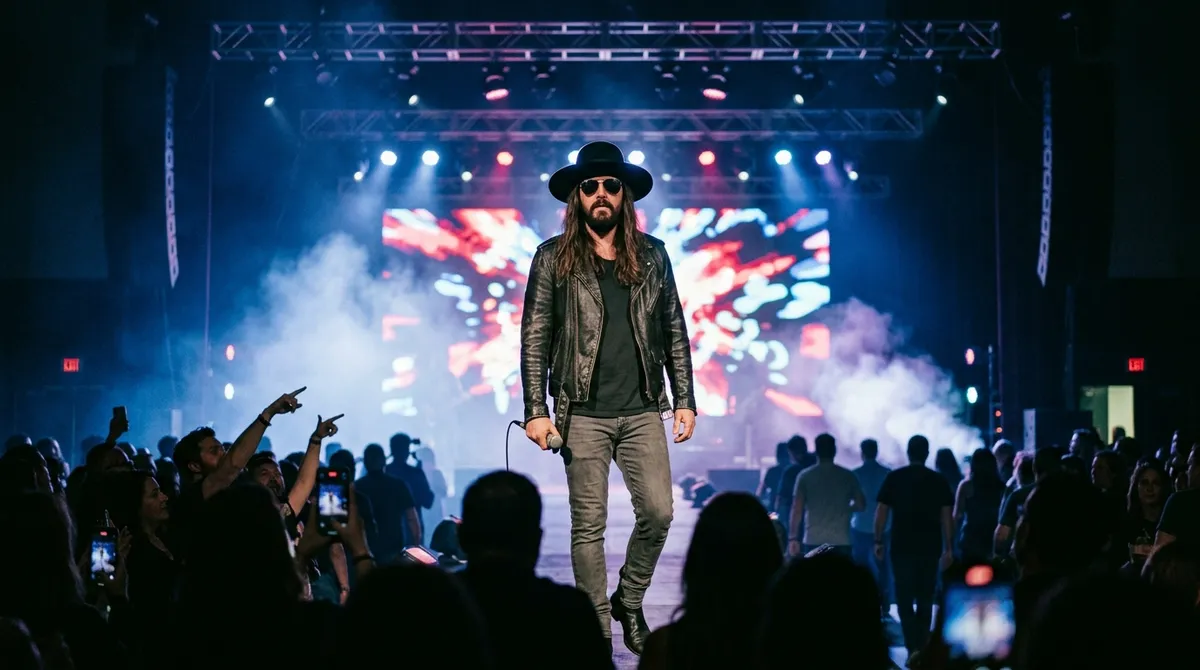
According to reports, the incident occurred at the Midflorida Credit Union Amphitheatre during the band's Southern Hospitality Tour stop. When a patriotic video graphic appeared during the show, fans began chanting "USA! USA!" in response. Robinson, 59, reportedly responded with sarcastic remarks about American pride, prompting immediate boos from the audience and causing some concertgoers to leave early.
Social Media Amplifies the Controversy
What began as a live concert moment quickly escalated into a viral controversy within hours. The clash has generated significant backlash on social media platforms, with some fans calling for boycotts of future shows. The incident highlights how quickly a single moment can fracture relationships between artists and their decades-long fanbase.
The controversy reflects broader tensions in American entertainment culture, where artist-audience conflicts over politics and patriotism continue to serve as flashpoints. Touring bands increasingly find themselves navigating polarized fan bases while social media amplification can turn brief live moments into lasting controversies.
Artist Expression Meets Fan Expectations
The Tampa incident raises questions about the balance between artists' freedom of expression and audience expectations at live performances. Robinson has a documented history of outspokenness, dating back to incidents during a 1991 ZZ Top tour, suggesting this latest clash fits a pattern of the frontman speaking his mind regardless of potential backlash.
The controversy also highlights a generational divide within the fanbase. According to reports, longtime fans—many of whom have supported the band for over 40 years—feel alienated by political commentary, while younger audiences may be more accepting of artists expressing their views during performances.
The Politics of Live Entertainment
The Black Crowes incident touches on a broader cultural debate about whether artists can—or should—separate politics from performance. As touring continues to be a primary revenue source for musicians, moments like these test the relationship between entertainers and paying audiences who may attend concerts specifically to escape political discourse.
The "just here for the music" argument reflects a segment of concertgoers who prefer apolitical entertainment experiences. However, the reality of completely separating personal beliefs from artistic expression remains complex, particularly for artists with long histories of public commentary.
Impact on Tour and Future Shows
The Tampa controversy comes during The Black Crowes' summer Southern Hospitality Tour, potentially affecting attendance and atmosphere at remaining dates. Social media boycott calls demonstrate how quickly modern controversies can spread beyond the immediate concert venue to impact an artist's broader career trajectory.
The incident serves as a case study in how artist censorship debates intersect with fan entitlement discussions. Questions persist about when speaking one's mind crosses acceptable lines at paid concerts, and whether artists should modify their behavior based on audience expectations.
As the music industry continues to grapple with political polarization, the Robinson controversy illustrates the challenging balance artists must strike between authentic self-expression and commercial considerations. The lasting impact on The Black Crowes' relationship with their fanbase remains to be seen as the tour continues.