In the rapidly evolving landscape of television viewing, the debate between binge-watching and weekly episode releases has become a focal point for audiences and streaming platforms alike. As viewers navigate this dynamic environment, the choice between consuming an entire series in one sitting or savoring episodes weekly continues to shape TV culture.
The Rise of Streaming Services
Streaming platforms have revolutionized how audiences consume television content. With the advent of technology, viewers now have the luxury to watch their favorite shows at their own pace. This shift away from traditional cable has empowered audiences, offering them control over when and how they watch their favorite series. Services like Netflix, Amazon Prime, and Disney+ have capitalized on this trend, providing entire seasons of shows at once, thus encouraging the binge-watch phenomenon.
Binge-Watching: A Cultural Phenomenon
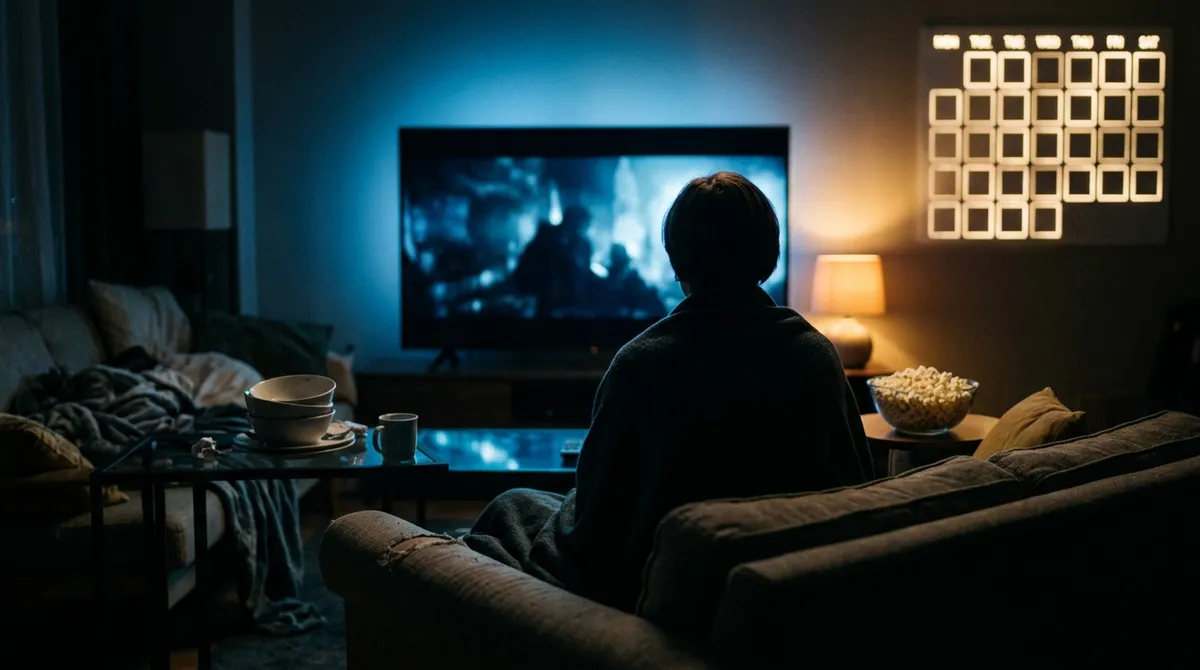
Binge-watching has become synonymous with modern TV consumption. This method appeals to viewers who prefer to immerse themselves completely in the narrative arc without interruption. The immediate availability of subsequent episodes allows for a deeper engagement with the storyline and characters, often leading to a more satisfying viewing experience. Additionally, binge-watching can become a shared social experience, with friends and family gathering to watch multiple episodes together, enhancing the communal aspect of television.
The Appeal of Weekly Releases
Despite the popularity of binge-watching, weekly episode releases retain their charm for many viewers. This format builds anticipation and keeps the audience engaged over a longer period. The wait between episodes often encourages discussions and theories, fostering a community around the show. Streaming platforms like HBO have maintained this traditional format for their flagship series, successfully creating a sense of event television that draws viewers back each week.
Creating a Balance
Some streaming services are exploring a hybrid model that combines the best of both worlds. By releasing a few episodes initially and then following up with weekly releases, platforms aim to hook viewers with enough content to entice them while maintaining long-term engagement. This approach seeks to satisfy both binge-watchers and those who enjoy the suspense of waiting, potentially broadening a show's appeal across different audience segments.
Impact on Content Creators
The choice between binge-watching and weekly releases significantly impacts content creators and the storytelling process. Binge formats often require tighter storytelling with cliffhangers to keep viewers engaged from one episode to the next. Conversely, weekly releases can afford more in-depth character development and complex story arcs, as creators have more time to unfold the narrative gradually.
The Future of TV Viewing
As streaming services continue to experiment with different release strategies, the future of television viewing remains exciting and unpredictable. Audience preferences will likely continue to evolve, influenced by cultural shifts and technological advancements. Whether binge-watching continues to dominate, or a resurgence of weekly releases occurs, the ultimate winner is the viewer, who benefits from a diverse range of viewing options tailored to their personal preferences.
In conclusion, the debate between binge-watching and weekly releases reflects broader changes in how audiences consume media. As streaming platforms innovate and adapt to viewer demands, these two formats will likely coexist, offering diverse experiences that cater to different viewing habits and preferences.